
If you are interested in watercolor painting, want to learn about watercolor knowledge, or want to purchase a suitable watercolor set for you, then this article is perfect for you. This article will take you through watercolor painting and watercolor painting sets from scratch.
Introduction of Watercolor Paint Sets
Simply put, Watercolor Painting Set is a complete set of tools for painting watercolor, which includes some basic painting tools and is suitable for beginners to use directly without the need for scattered purchases.
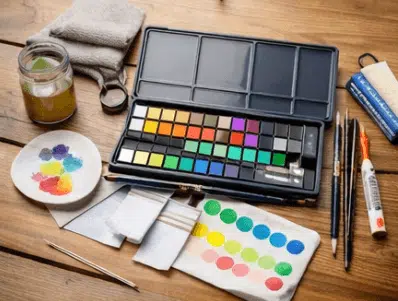
Watercolor painting has a long history, dating back to the Paleolithic era, but it truly developed during the Renaissance when German painter Durer established the technique of transparent watercolor. From then on, watercolor began to move from sketches and illustrations to independent creation. After more than 200 years of development, watercolor painting has continuously innovated and gone global, becoming a widely loved form of painting today.
Why you need watercolor paint sets?
There are five benefits of using watercolor paint sets.
- Perfect for beginners
Watercolor pigments perform particularly well in terms of pigment preparation and cleaning methods, as they can easily prepare for specific works of art. Just take the paint, add water, prepare the brush and palette, and you can paint anytime.
- Fast dry
Watercolor pigments can be completely immersed in paper and dried in a short amount of time.
- Improve concentration and relieve stress.
Watercolor painting is a relaxing form of entertainment that is very suitable for people who want to relieve stress.
- Cost-effective
Just prepare a small amount of tools to start using watercolor. Using a simple palette, a few brushes, and a few pigments to create a variety of colors. This low cost makes watercolor a very attractive medium.
- Non-toxic and eco-friendly
Watercolor is completely odorless and does not involve the use of any irritating chemicals, so there is no need to worry about toxic solvents or chemicals. However, watercolor pigments are not entirely without danger, as some pigments may pose health risks (such as cadmium, cobalt, and several other pigments), for young users, it is recommended to use under adult supervision.
Types of Watercolor Paint Sets.
1. Half Pan sets and Full Pan sets
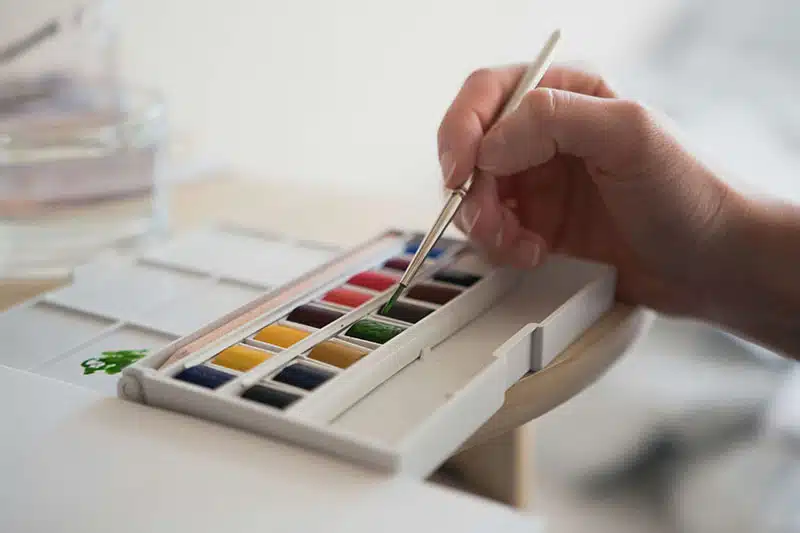
Half pans watercolor set is portable for users and suitable for beginners and those who enjoy traveling. The tools included are also relatively basic. However, watercolor sets with a full pan design tend to be larger in size, and those with strong expressive power prefer to perform large-scale blending during painting, making this type of set more popular among them.
2. Liquid watercolor sets
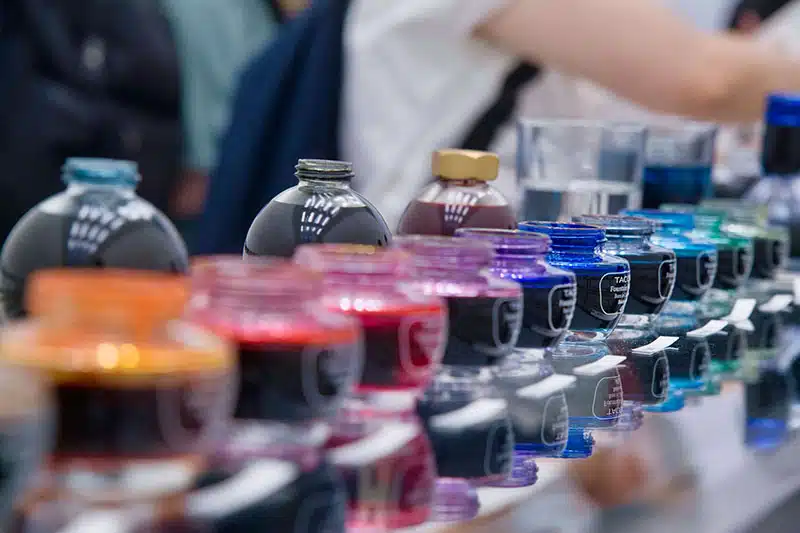
The liquid watercolor sets are completely diluted with water, which is very beginner friendly and can also be used directly. However, due to the strong fluidity of liquid pigments, they must be kept flat when used.
3. Tube watercolor sets
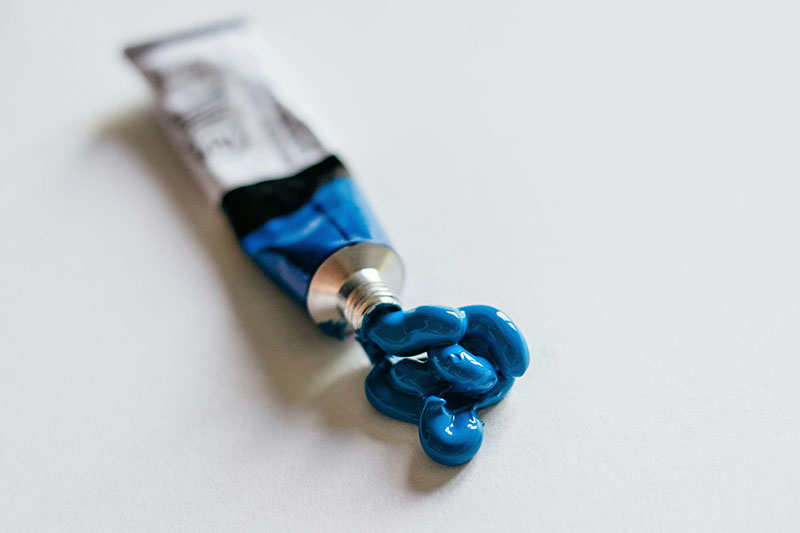
Watercolor tubes are portable thanks to their packaging. After receiving the tubes, you can use them directly without the need to activate it with water, which is more convenient than dry pigments. Its texture is between solid and liquid pigments.
4. Semi-moist and dry watercolor sets
Semi wet watercolor provides instant wetting, high strength, and creamy consistency, making painting faster, more vibrant, and with simpler tones. Dry watercolor requires water to activate, is relatively easy to control, is more suitable for travel, and is usually more economical.
5. Student-grade vs artist-grade watercolor sets
Student-grade watercolor sets has the advantage of low price, but its performance will depend on the brand. Artist-grade watercolor sets are more reliable, with brighter colors and many color options, but their prices are also higher.
What’s Included in Watercolor Paint Sets?
Number of colors (basic vs extended palettes)
People at different stages have different requirements for the number of colors. For beginners, you can prepare 6-12 basic colors,which is sufficient, but for experienced people, they usually prepare 24-36 colors or even more. Among them, there are also professional artists who only prepare a few common and familiar colors, because they can mix any other color through these common colors.
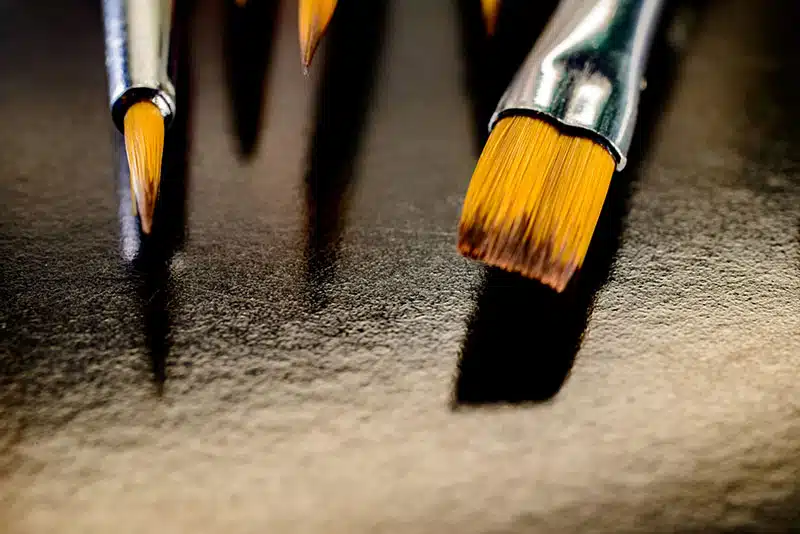
Brushes (round, flat, fan, etc)
There are many brush tools for watercolor painting, among which round brushes, flat-shaped brushes, and fan-shaped brushes are more suitable for beginners, while detail brush, angle brush, etc. are more suitable for professionals. Of course, you can also try different painting tools according to your preferences or painting styles.
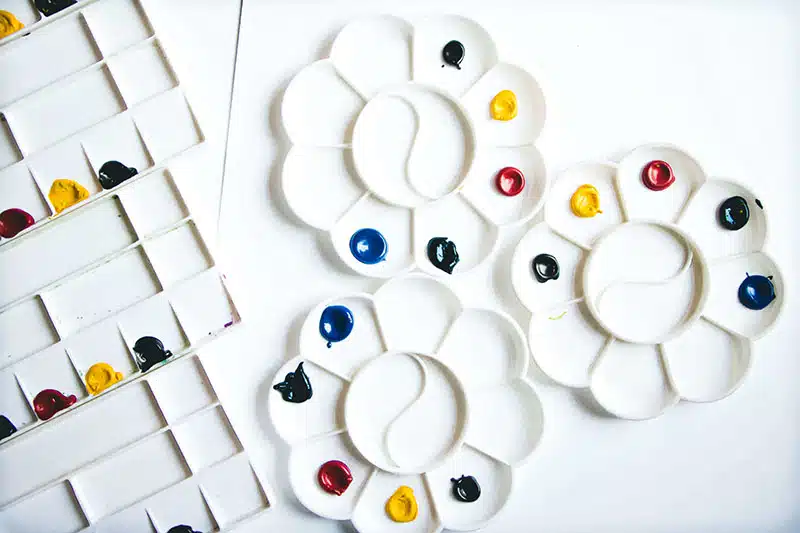
Mixing palette
There are three types of palette materials: plastic palette, metal palette, and ceramic palette. At the same time, in order to cater to consumer preferences, there are also palettes in various shapes. The palette has two main functions: one is to place various pigments, and the other is to mix the color. You can mix two or more pigments in the palette to create new colors.
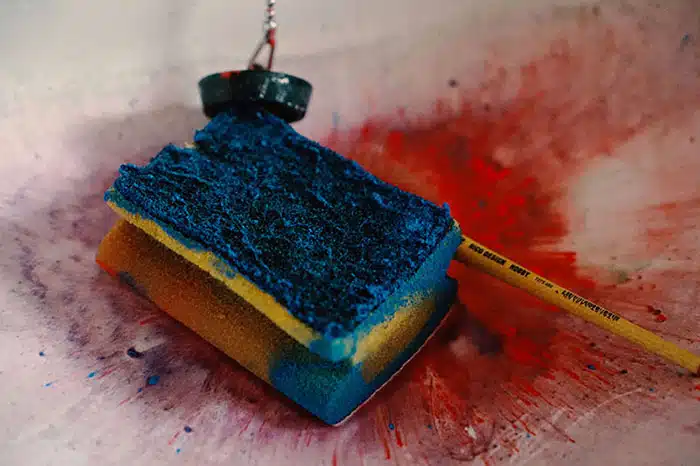
Sponge
Sponge is very practical in watercolor painting sets. During the painting process, you can use it to absorb excess moisture, correct colors, create better visual effects, and most importantly, quickly clean brushes and change colors.
Storage case or box
Storage box, as the name suggests, after completing the painting, you can put all the paint tools in the matching storage box, which is also convenient for next use.
How to Choose the Better Watercolor Paint Sets as A Beginner?
1. Pigment quality and color intensity
High quality pigments have higher saturation, more vivid colors, and are more durable. Low quality pigments have low saturation and a dull color, which may fade over time.
2. Discoloration resistance
Discoloration resistance refers to the ability of pigments to be exposed to light for a long time and maintain their original color over time. In other words, the higher the quality of the pigment, the less likely it is to fade in sunlight.
3. Transparent vs blurred
Transparent watercolor pigments are placed on paper, allowing light to pass through them. But blurry, viscous watercolor pigments almost do not allow light to pass through.
4. Ease of blending
High-quality watercolor sets contain more pure pigment and better binders, allowing colors to mix smoothly and stay vibrant. Lower-quality sets use less pigment and more fillers, making blends appear dull, uneven, or muddy.
5. Non-toxic and eco-friendly materials
Non-toxic environmentally friendly pigments not only have no toxicity, but also have some other benefits. These pigments are usually made from natural or biodegradable ingredients, which are relatively safe for the environment. At the same time, they also do not have irritating odors, so you will not be affected during the painting process and can always maintain a happy mood.
Tips and Common Mistakes for Getting the Good Paintings.
1. Start with a simple palette
Starting from a simple color palette, you can effectively control the number of colors (6-12 basic colors), without having to prepare too many colors in the early stage. To a certain extent, controlling the painting is also effective, so as not to be overwhelmed by too many colors.
2. Practice color mixing
In the process of painting, mixing colors is also an essential skill. You can refer to some common colors and mix them in different proportions to continuously practice and improve your techniques. After becoming proficient, you can freely mix the colors you want.
3. Use proper watercolor paper
The paper used in watercolor painting must have water absorbing properties, and the thickness of the paper should be sufficient to withstand repeated washing.
4. Test colors before painting
Before painting, you can test the color on a waste paper to avoid presenting uneven shades of color on the artwork. At the beginning, you can control the color depth by adding a small amount of water multiple times, instead of adding too much water at once.
5. Keep your palette and brushes clean
When painting, you should keep the palette and brushes clean and tidy as much as possible, avoiding the mixing of dirty colors, and leaving more empty spaces for easy color adjustment. After painting, you also should clean the palette and brushes in a timely manner and not wait for it to harden before cleaning, as this can easily cause damage to them. Carefully, when cleaning, use a gentle technique to clean the brush to avoid the bristles falling off and affecting secondary use.
Watercolor Paint Sets Ideas.
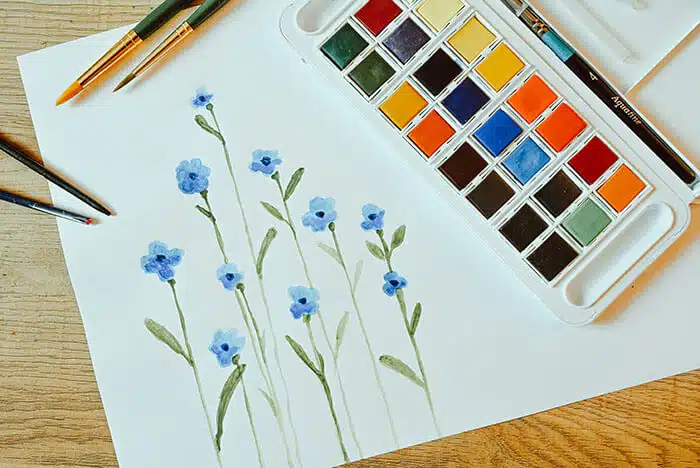
1. Flowers, fruit, nature.
At the beginning of learning watercolor painting, you can practice drawing small, simple things such as flowers, fruits, etc., with a high tolerance rate.
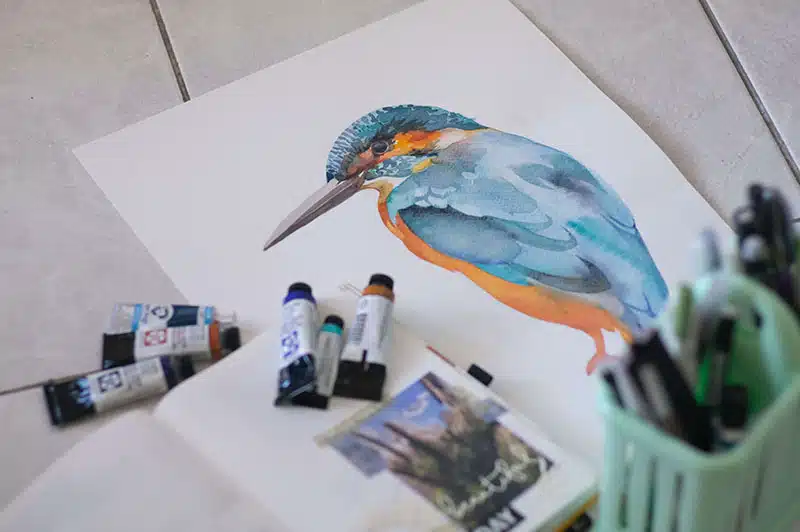
2. Dogs, cats, animals.
After multiple practice sessions, you can increase the difficulty of the challenge by drawing small animals, dogs, cats, etc.
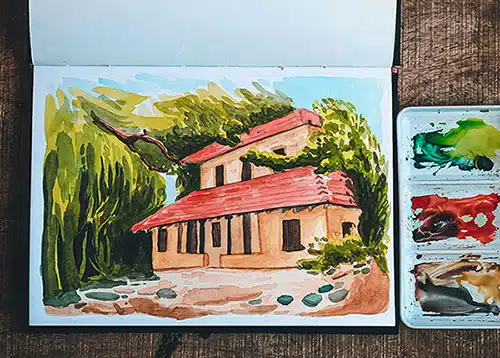
3. Houses, bridges, architectures.
After understanding the perspective and structure of space, you can start drawing buildings such as houses and bridges.
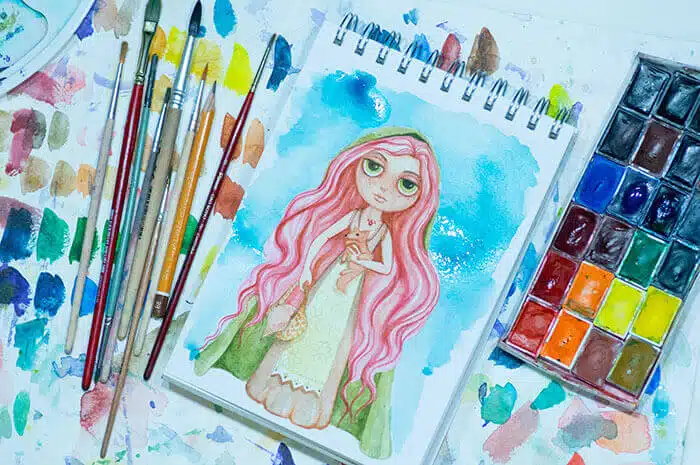
4. Portraits, figures, people.
After having a sufficient understanding of painting techniques, you can start learning how to paint characters, which also requires you to have knowledge of the proportions and skin tones of the characters.
How to Care for Your Watercolor Paint Sets?
1. Cleaning after use
After painting, you can clean the color palette, brushes, and other tools to better protect them and make it easier to use them directly for the next painting.
2. Proper storage
After cleaning, you should put away all the painting tools. The brush should be placed flat to prevent deformation of the bristles, the color palette should be stored to prevent dust from falling, the paint should be covered to prevent drying and cracking, and other utensils should also be neatly arranged one by one.
FAQS
- Which one is better between watercolor pans and tubes?
None is better, the suitable one is the best. If you’re a beginner, pans would be more suitable because they are affordable, compact, and easy to carry.
- How do I choose the right colors for my watercolour palette?
For beginners, you can choose a basic color palette of 6-12 hues, which should include the primary colors of red, yellow, and blue. With these foundational tones, you can then mix other colors.
- How long do watercolor paint sets last?
As long as you don’t paint for a long time every day, generally speaking, a set of watercolors can last for 1-2 years. If well protected, the usage time can be even longer.
- Can I use watercolor paints on canvas?
Of course, watercolor painting can be done on canvas. However, it should be noted that general canvases have poor water absorption and some may even be waterproof. Therefore, before painting, you need to apply a layer of watercolor base material to the canvas to make it more absorbent. After this operation, you can use watercolor to paint on the canvas.
- Can beginners use professional sets?
Of course, professional watercolor materials are abundant, of high quality, and have better color rendering. Just a small box would be more cost-effective, there’s no need to buy expensive sets in large boxes right away.
- Can children use watercolor sets safely?
It is recommended that young children use watercolor sets under adult supervision. Although watercolor sets are non-toxic, attention should still be paid to their use to prevent pigments from entering the eyes.
Conclusion
For beginners, you don’t need to pursue a full set of professional sets. You can start with a small box and as your painting skills continue to improve, you can purchase sets that suit your needs. Of course, whether choosing a professional or an ordinary user, painting tools are just media. The key to painting a good picture is to control the pen, water, and color tone. If you want to purchase a watercolor painting set, you can contact us.
