
Paper calendar importing is all about buying a usable and saleable product, not just arranging a print run. Calendars remain one of the most used products in homes, offices, shops, schools, and promotional campaigns to track dates, appointments, and events.
It’s often encouraging for importers to supply quality and professional calendars to their clients and customers to enhance a lasting impression and promote a smooth relationship.
In this paper calendar import guide, we will walk you through product selection, specifications, pricing, and more.
Keep Reading!
Understand the Different Types of Paper Calendars
You have to understand the difference between types of paper calendars and where they are to be used. Below are the common types:
Wall Calendars
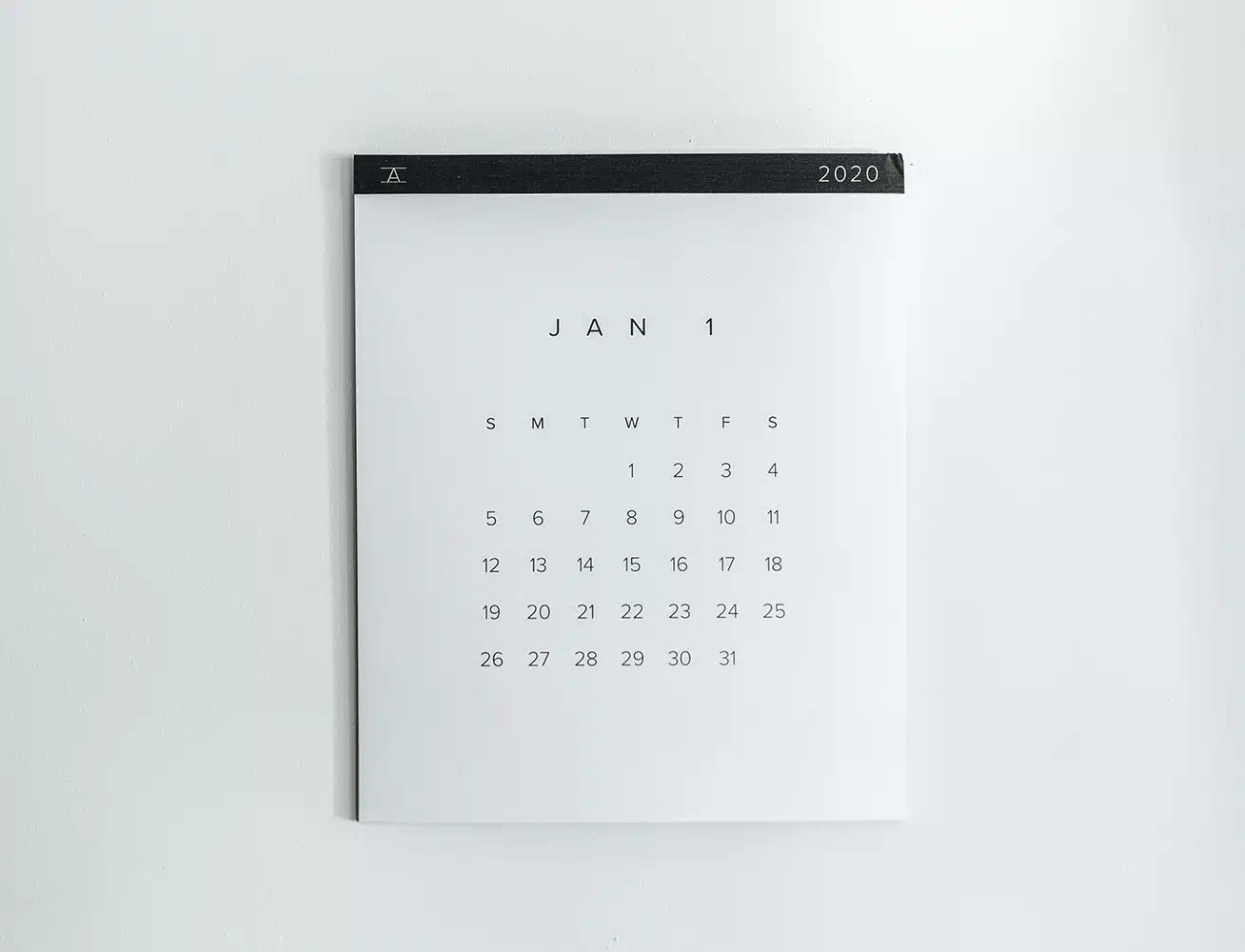
Wall calendars are often used at home, shops, workspaces, and schools. They are large enough to contain pictures, branding, readable dates, writing space, among others. You’re expected to check if the calendars can hang properly, whether the pages turn easily, and whether the binding holds the calendar open.
Desk and table calendars
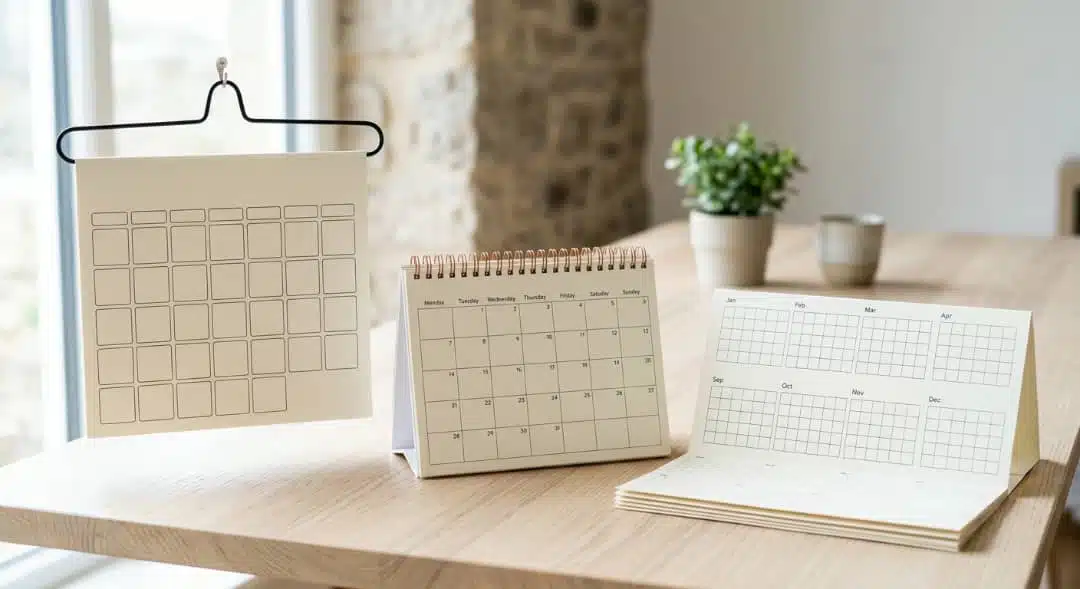
These are mostly used on the desk at workstations, counters, and reception desks. People who consume these kinds of products are office workers and corporate users. As an importer, you’re expected to check the stand to see if it’s stable, the date should be readable at a glance, and the page should flip without catching.
Poster calendars and year planners
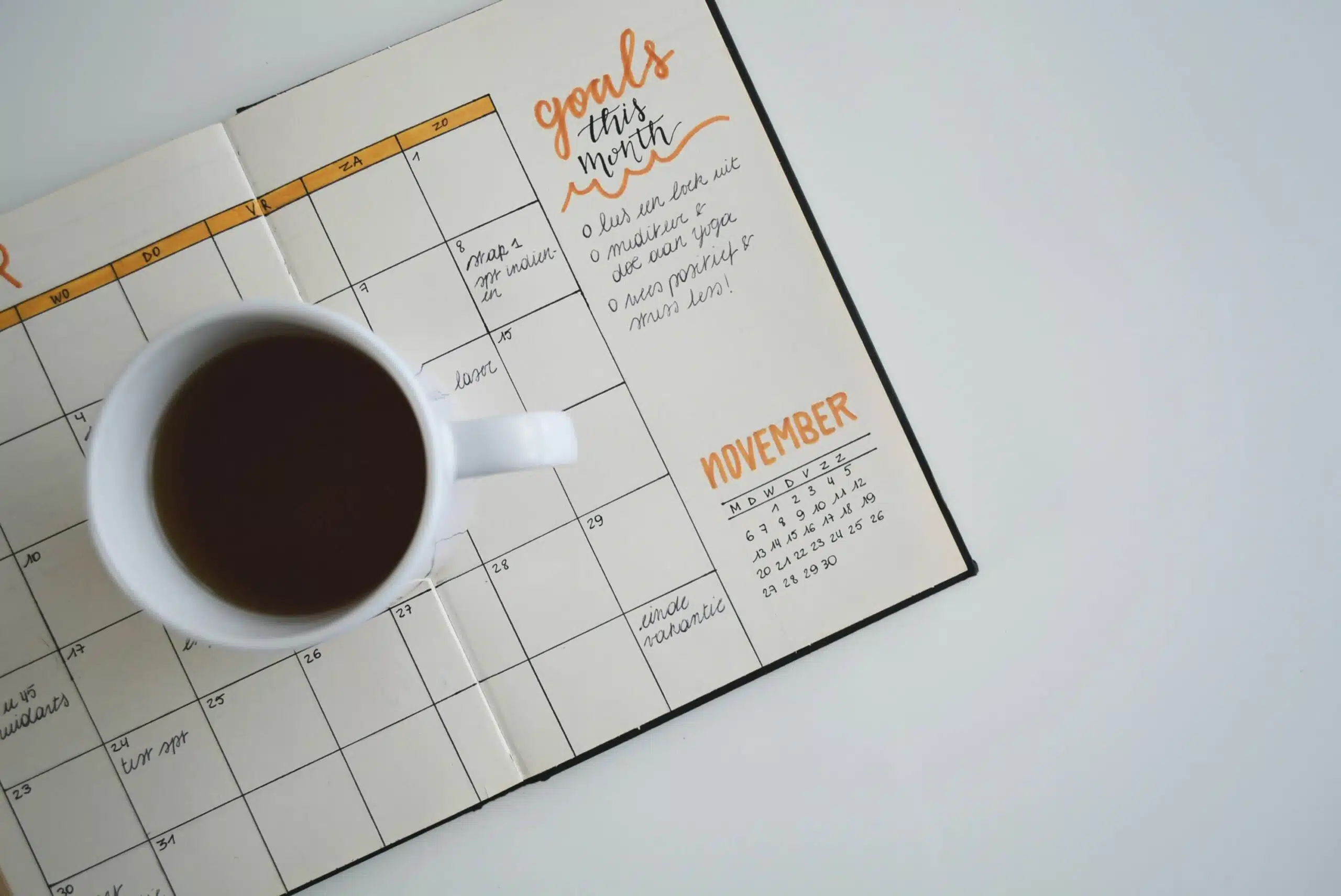
A single-sheet poster or larger year planner lets users see many months at once. They are mostly used by schools, warehouses, and any team planning deadlines or shifts. As an importer, you have to make sure the type remains readable at the intended viewing distance; squeezing twelve months onto a sheet that is too small defeats the purpose.
Customized and promotional calendars
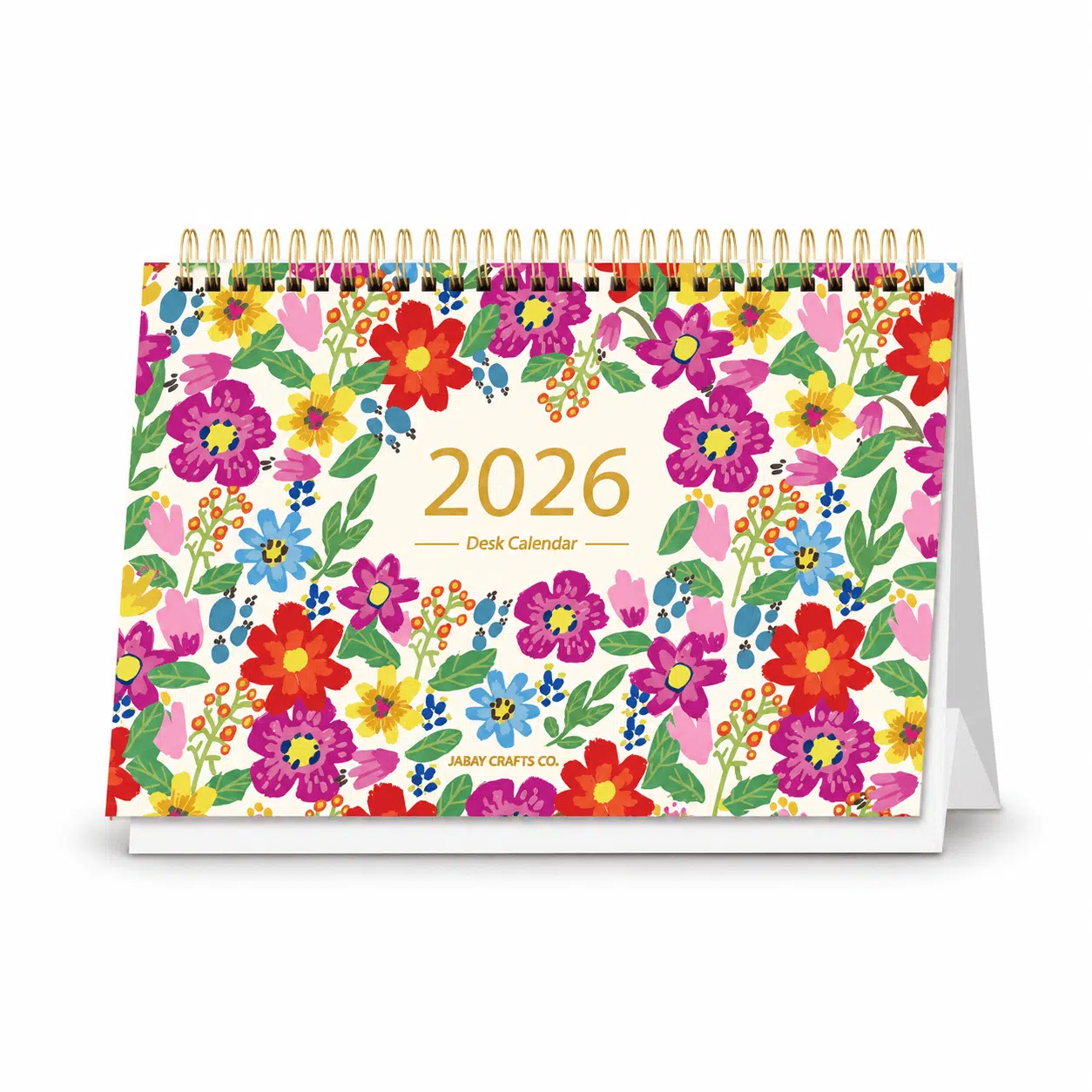
Custom calendar printing is the kinds that include company logos, photographs, product images, contact details, brand colors, and selected dates. These products can support retention ranges, promotions, and corporate gifting.
Key Paper Calendar Specifications Importers Should Compare

Calendar printing specifications should be written down before you ask suppliers to price the job. Below are some notable specifications:
Paper type, weight, and finish
Although, GSM which means grams per square meter is a measure through which you can know the paper weight, however, it does not, by itself, tell you everything about thickness, stiffness, or quality. While Glossy coated paper can make photographs look vibrant, matte or uncoated surfaces may be more practical for handwritten appointments. Ask for separate specifications for cover, inside pages, and backing board whenever they use different materials. A heavier sheet is not automatically the better purchase.
Size and dimensions
The common size references for calendars include A5, A4, A3, and inch-based formats for particular markets. A wall calendar that doubles in height when opened needs both measurements on the specification sheet.

Page count and layout
Does “12-month calendar” mean twelve monthly sheets, or a cover plus twelve-monthly sheet? Are there extra planning months, notes pages, or a year-at-a-glance page? Ask suppliers to distinguish pages from physical sheets and to state extra planning sheets and to state exactly what the quoted count include. This changes thickness, binding requirements, material use, and cost.

Printing method and color accuracy
Printers use Offset printing for larger and consistent runs, while they often use digital printing for shorter runs or designs that vary. None of the method is automatically best but you are expected to compare the actual quantity, artwork, production capability, and quotations. The important thing is, for either method, make sure you inspect image resolution, fine text, alignment, and color consistency.
Binding and finishing
Choose a binding because it works for the intended product, not simply because it is the cheapest line item. Some of the most common binding method include Wire-O, spiral binding, saddle stitching among others.
How to Find and Evaluate Paper Calendar Manufacturers
Good calendar supplier sourcing starts with a shortlist of suppliers able to make the particular calendar you want.
Ask for samples and written specifications
Request samples close to your intended format. If you get the hardcopy of the sample, you can then handle the paper, flip the pages, inspect color, test the stand or hanger, and compare finishing. You can also ask for written details covering dimensions, paper GSM, page count, binding, sample or courier charges, among other things.
Assess capability and communication
Ask calendar manufacturers whether they can produce the required quantity within your schedule, what approval stage are involved, and how changes will be recorded. Where appropriate, request business information, references, or evidence of comparable orders. A supplier who documents an agreed change is easier to work with than one who relies on scattered chat messages.
Agree on quality expectations
Ask how the supplier checks incoming materials, printing, dates, binding, assembly, and packing. Establish whether a pre-shipment inspection is possible and what happens if goods do not meet the agreed standard.
How to Compare Prices and Calculate Total Import Cost
For wholesale paper calendars, you need to compare what is included before deciding which offer is more competitive:
Read each quotation line by line
Check whether the price covers artwork preparation, printing setup, paper and backing materials, binding, finishing, proofing, and production lead time. Ask for missing items to be priced explicitly instead of assuming they are included.
Check order quantities and MOQ
You need to realize that the bulk calendar printing prices may change with order volume. Therefore, you need to request tiered quotations at quantities you could realistically sell, and confirm the minimum order quantity (MOQ) for your chosen specification.
Work out landed cost
Landed cost includes manufacturing, relevant packaging and handling, freight, cargo insurance where applicable, customs duties and taxes, clearance, and inspection. Suppose supplier A quotes less per calendar but requires you to replace weak cartons before distribution. Supplier B may be the better-value option if export-ready packaging is included.
Clarify delivery responsibilities
Record the applicable delivery terms and the specific incoterms rule and named place. Confirm who arranges and pays for freight, insurance, export procedures, and other agreed costs.
What to Check Before Shipment?
Before giving the go ahead for printing of the bulk calendars, these are the important things you must check:
Verify content and dates
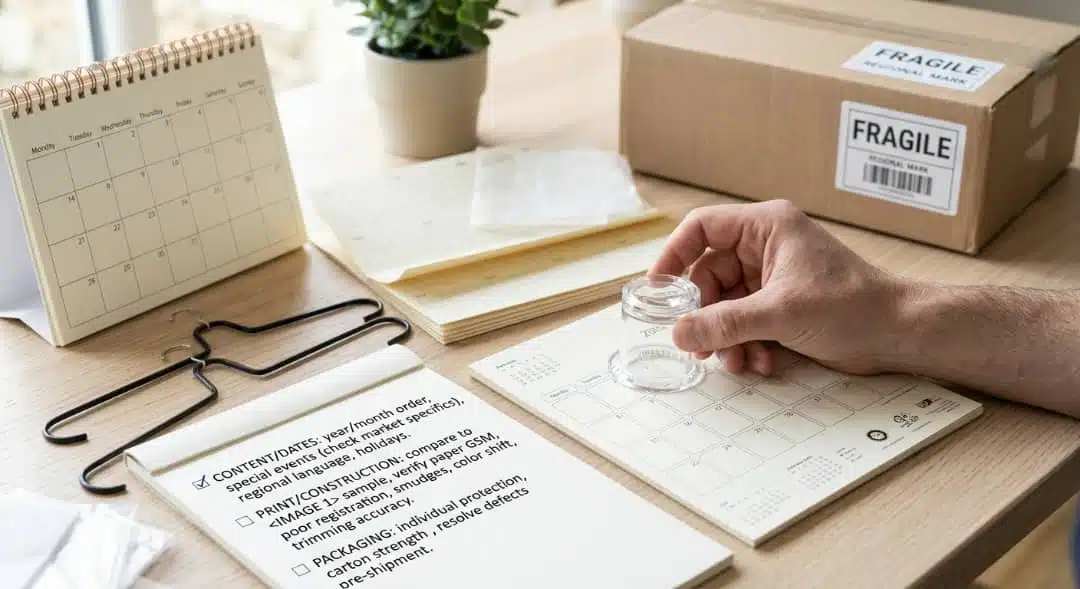
Check the year, month order, weekday alignment, leap-year details where relevant, and all requested holidays or special dates. Confirm the destination market’s preferred first day of the week, language, and regional events. Proofread names, phone numbers, logos, and promotional copy against the approved artwork.
Inspect paper, print, and construction
You have to compare production units with the agreed sample and paper specification. Look for color shift, blurred images, unreadable small text, poor registration, smudge, crooked trimming, and damaged corners.
Inspect packaging and record issues
Check individual protection, carton strength, qualities, labels, and shipping marks where required. Also, you have to agree on the inspection and sampling approach in advance, document defects, and resolve corrective actions before goods leave the factory.
Common Mistakes to Avoid When Importing Paper Calendars
| Common mistake | Better approach |
| Choosing only by unit price | Compare equivalent specifications and full landed costs. |
| Leaving product details vague | Record size, page count, paper, binding, finish, and packaging. |
| Skipping sample approval | Approve artwork and an appropriate sample before mass production. |
| Overlooking date accuracy | Check year, weekdays, local holiday, language, and week-start convention. |
| Ignoring the end user | Choose a format people can display, read, and use. |
| Ordering too late | Build in time for approval, production, inspection, clearance, and delivery. |
| Neglecting packaging or inspection | Agree on protection, acceptance criteria, and checks before shipment. |
Frequently Asked Questions
What should importers consider when buying paper calendars in bulk?
Start with the target customer, calendar format, paper, dimensions, page count, print and binding, quality, supplier reliability, landed cost, inspection, and delivery date.
What are the most common types of paper calendars?
Paper calendars are of different kinds and uses, some of which includes, wall calendar, desk calendar, table calendar, and year planners.
What does GSM mean in calendar printing?
GSM stands for grams per square metre. Although it measures paper weight, it doesn’t measure the overall quality of stiffness on its own.
How do I choose a reliable paper calendar manufacturer?
You have to compare relevant samples, detailed written specifications, production capability, communication, quality procedures, and realistic lead times.
How can importers reduce the cost of paper calendars?
Compare like-for-like quotations, ask for quality tiers, choose practical dimensions, review customization, and consider packaging and freight as well as unit price.
How do I check calendar quality before shipment?
After you have approved the artwork and sample, you can then verify the dates and custom details of your order. Inspect materials and printing, test the binding, and check cartons and labels.
Conclusion
Successful paper calendar importing comes down to matching the product to the customer and removing ambiguity before production begins. Choose the right format, define the materials and construction, evaluate suppliers using comparable information, and calculate the complete delivery cost.
You can reach out to Jabay Games if you need a tested and trusted paper calendar printing company, and a seamless importation of bulk calendars to your destination.